AN UPDATE: WHEN LIFE HAPPENS WHILE YOU’RE MAKING OTHER PLANS
It’s been a minute since I last wrote a “what’s new with us” type post and I thought it was likely time to update.
It’s safe to say that a few big things have happened over the last handful of years and 2025 has been especially eventful when it comes to unexpected curveballs being thrown our way.
This post may include affiliate links. As an Amazon Associate I earn from qualifying purchases. Find more info in my privacy policy.
A little back story to catch you up…
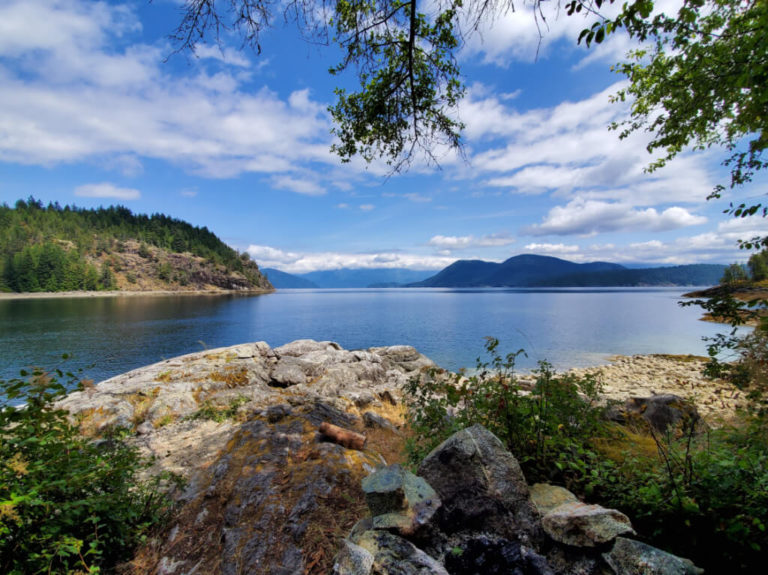
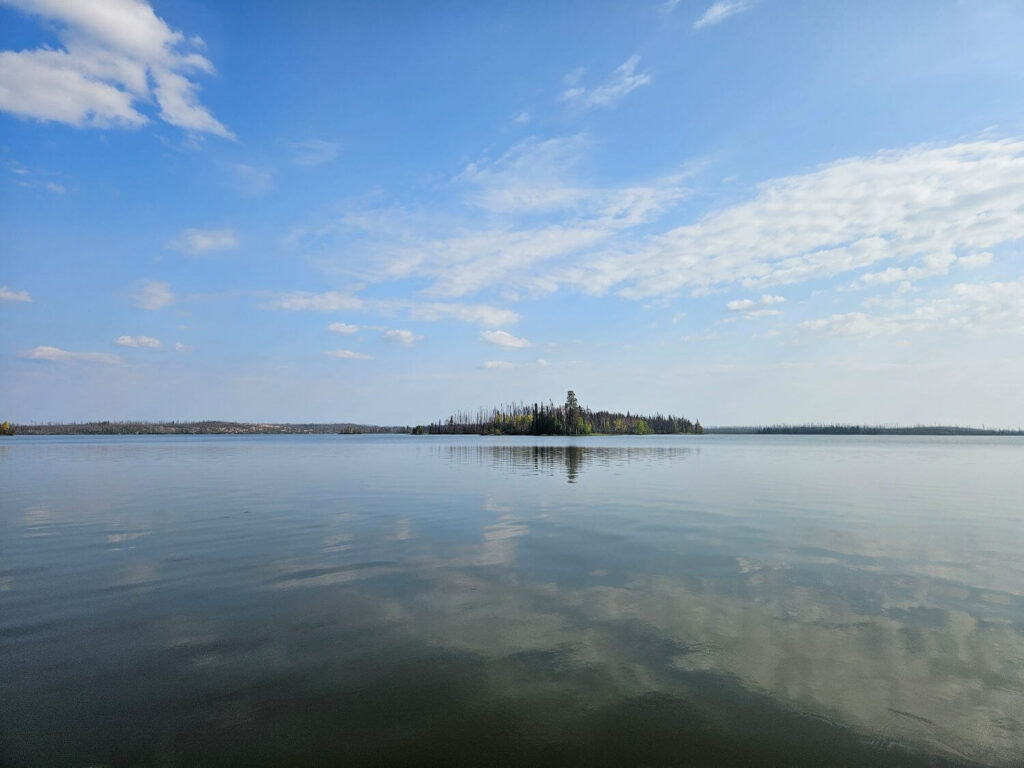
Back in 2016, we purchased a small cabin on an island in northern Manitoba. I didn’t know it at the time, but it was a precursor to a pretty big shift in our lives. You see, prior to this, I was all about freedom, travel, warm climates and chasing the sun whenever we could.
A remote cabin further north where the winters can be even longer, colder, and snowier than our central Saskatchewan norm was not high on my wish list. But it was high on Mark’s wish list, and we decided to go for it.
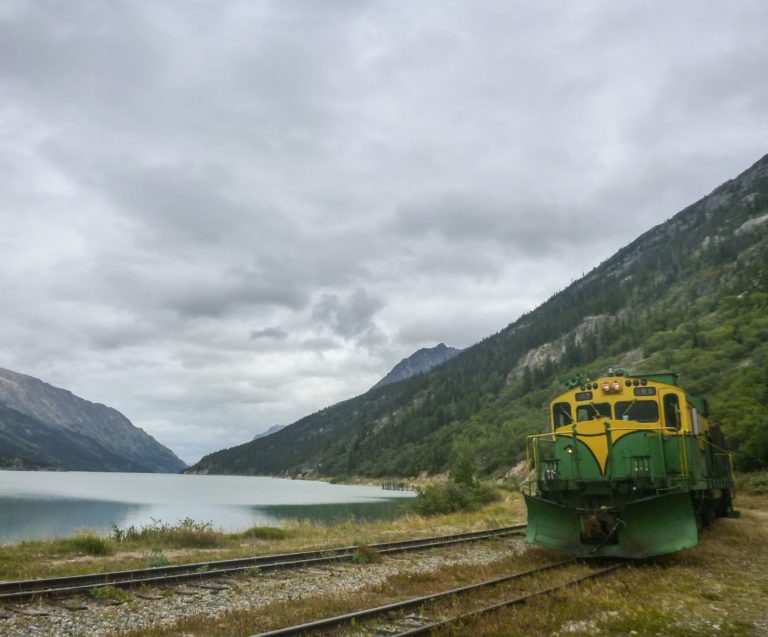
Initially, it didn’t slow us down too much. We still went on epic adventures like hiking the Chilkoot Trail and road tripping across Western Canada. I made a few trips to temporarily escape the winters, but heading up to the cabin quickly became the highlight of our downtime.
We were falling hard for the north.
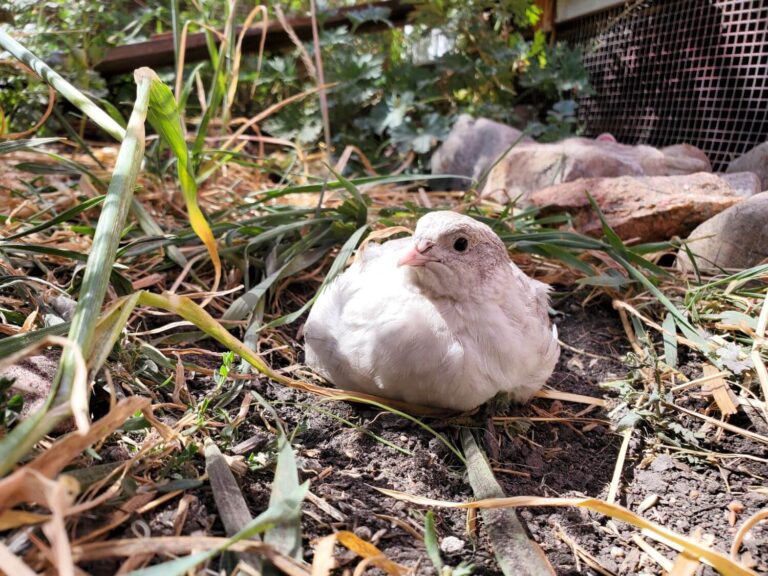
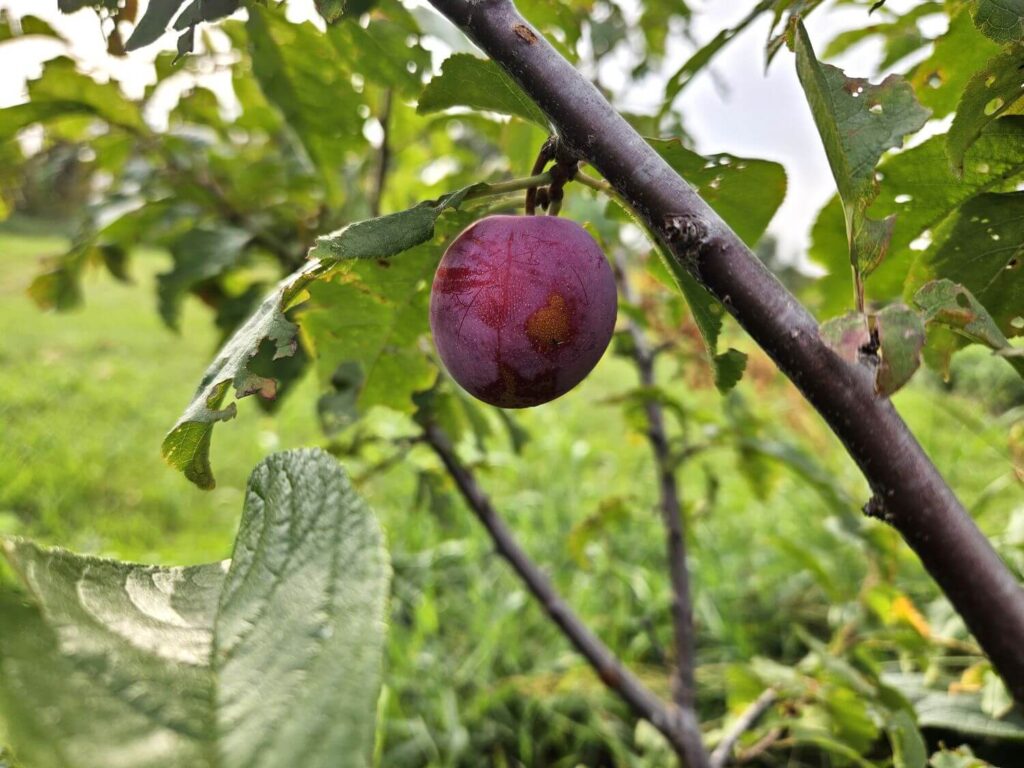
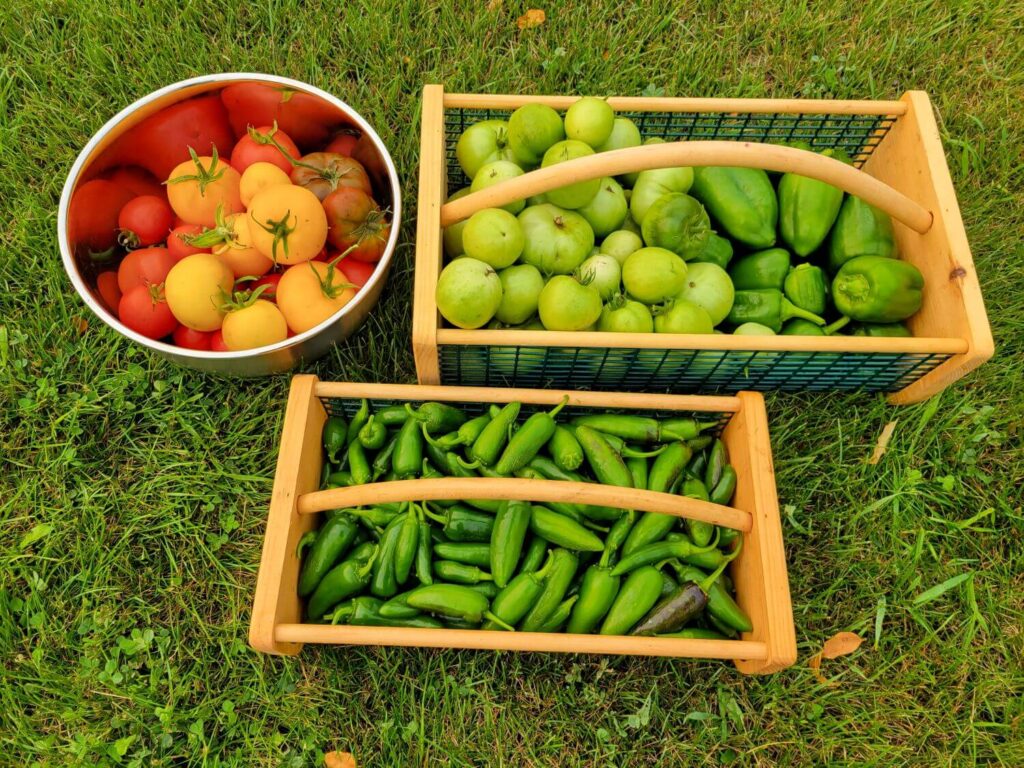
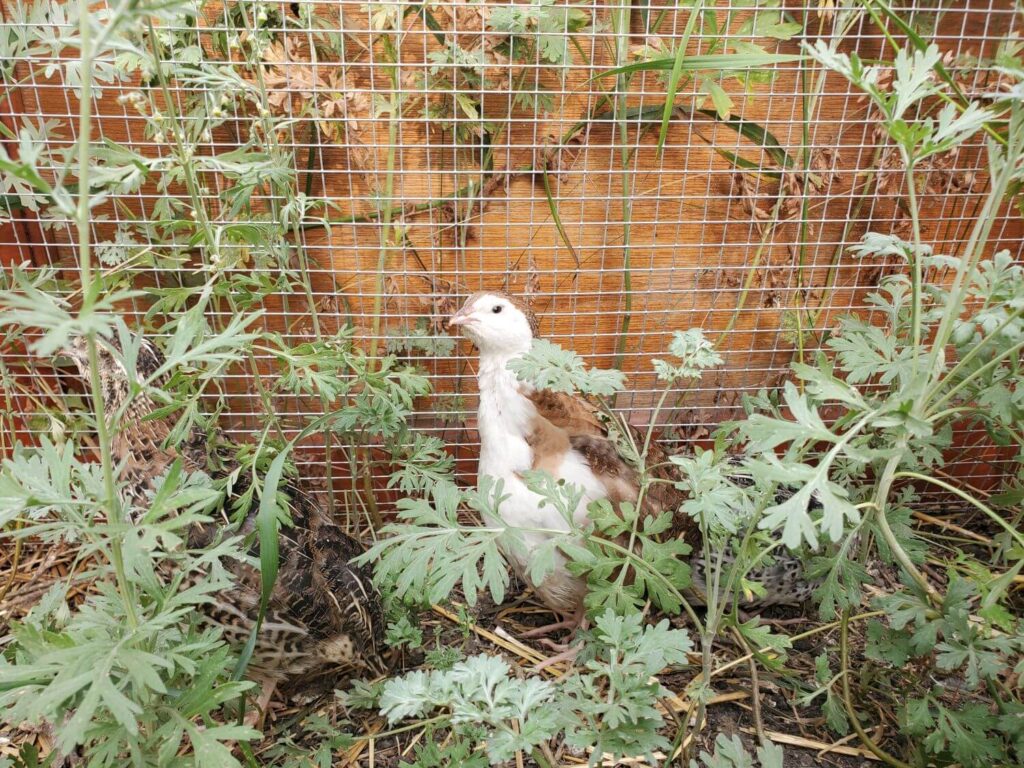
Then, in 2019, we moved out to Mark’s former family home on 7-acres. It wasn’t a far move for us, but it did give us a lot more space and freedom. Our focus quickly shifted to homesteader hobbies like starting gardens, establishing a food forest, and raising quail.
Between trips to the cabin and projects at the acreage, we didn’t have a lot of time for travel. Plus, this of course was all happening during a time when we were forced to stick closer to home anyway. Things were busy but we were enjoying tackling new things and exploring the northern forests.
In 2021, I randomly came across a post on Facebook advertising a fly-in fishing camp for sale in Northern Saskatchewan. Running a fishing camp is something we figured would be a fun semi-retirement type job in the future but wasn’t something we were looking to do any time soon. With both of us working full time and two properties, the to-do lists were already piling up. It just wasn’t something we could take on at the time.
Or… could we?
My curiosity got the best of me and I sent a message to one of the owners of the camp. It turned out there were two couples who owned the place, and they both lived within 30 minutes of us. They invited us out to discuss the camp and chat about how they ran the place.
For 17 years, they had operated it as a self-serve fishing camp. They were not on-site full time, had no staff, and guests were responsible for taking care of themselves while there. It only required some regular trips in to do any necessary maintenance and make sure things were operating ship-shape for people to enjoy. Accessing the camp happened via floatplane from a base near Flin Flon, which was very close to where our cabin was located.
This somehow sounded totally doable to us, even though, as I mentioned, we were already kind of drowning in half-baked projects at the cabin and the acreage.
We decided to visit the camp and see what we thought.
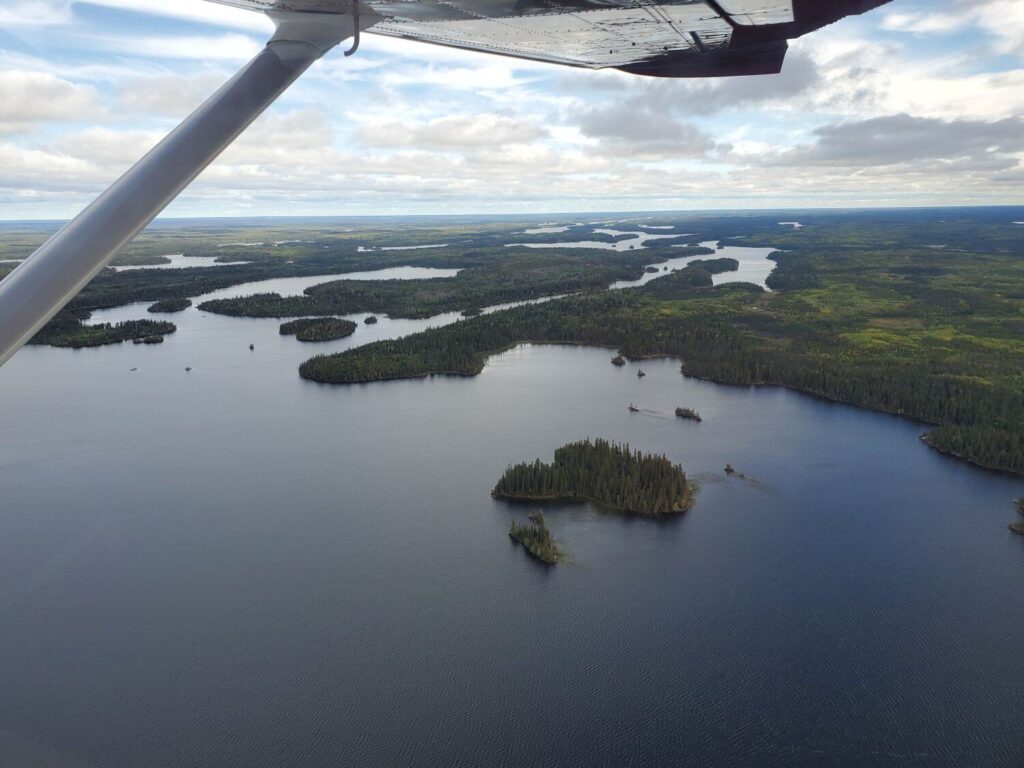
We made the drive up, hopped on the 10-minute floatplane flight, landed, took 1 hour to look around, and put an offer in on the spot. In late 2021 we took possession and, just like that, we were officially owners of a remote, fly-in fishing camp.
We went all-in on the north and the magic that is the Boreal Forest.
The first couple of years were an absolute whirlwind. We were incredibly grateful to be able to do what we were doing and felt very lucky to have everything we had. But learning the ins and outs of running a business in an entirely new-to-us industry while still navigating life and managing two other places was… a lot.
Amazing, wonderful, magical. But… a lot.
We soaked up every minute we could at the camp. We tackled projects, got to know some of our guests, and learned the lake. We secured a grant to help complete some upgrades and navigated the logistics of getting supplies and materials to a place that’s only accessible by floatplane in the summers and a 30km snow machine ride in the winters.
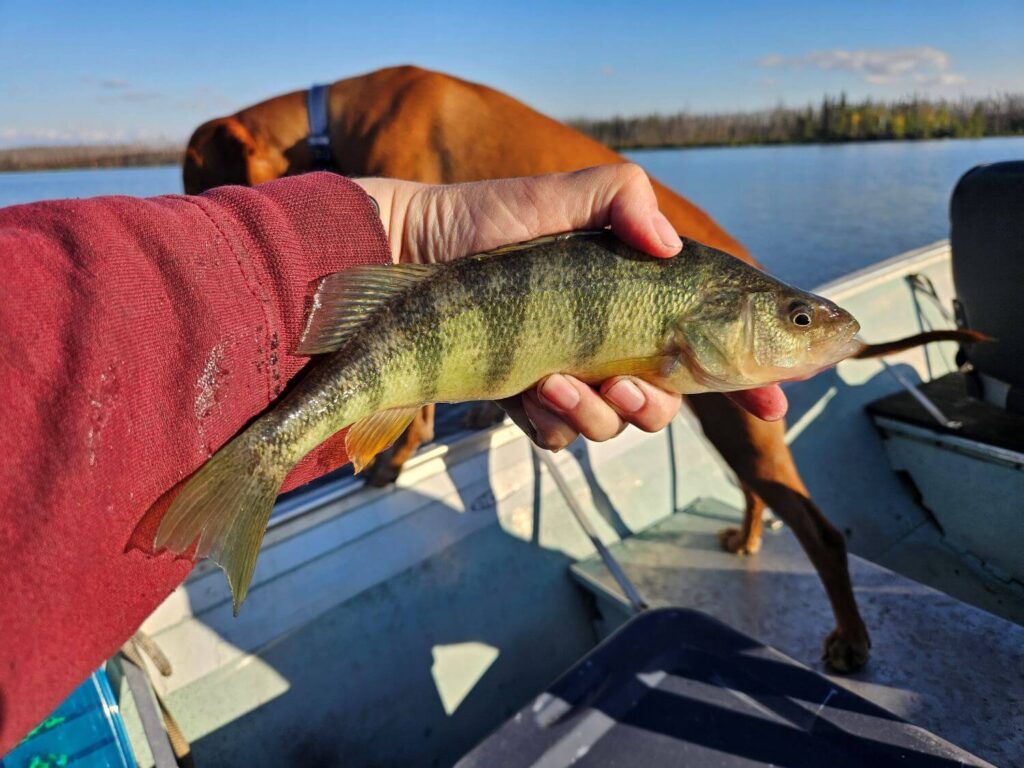
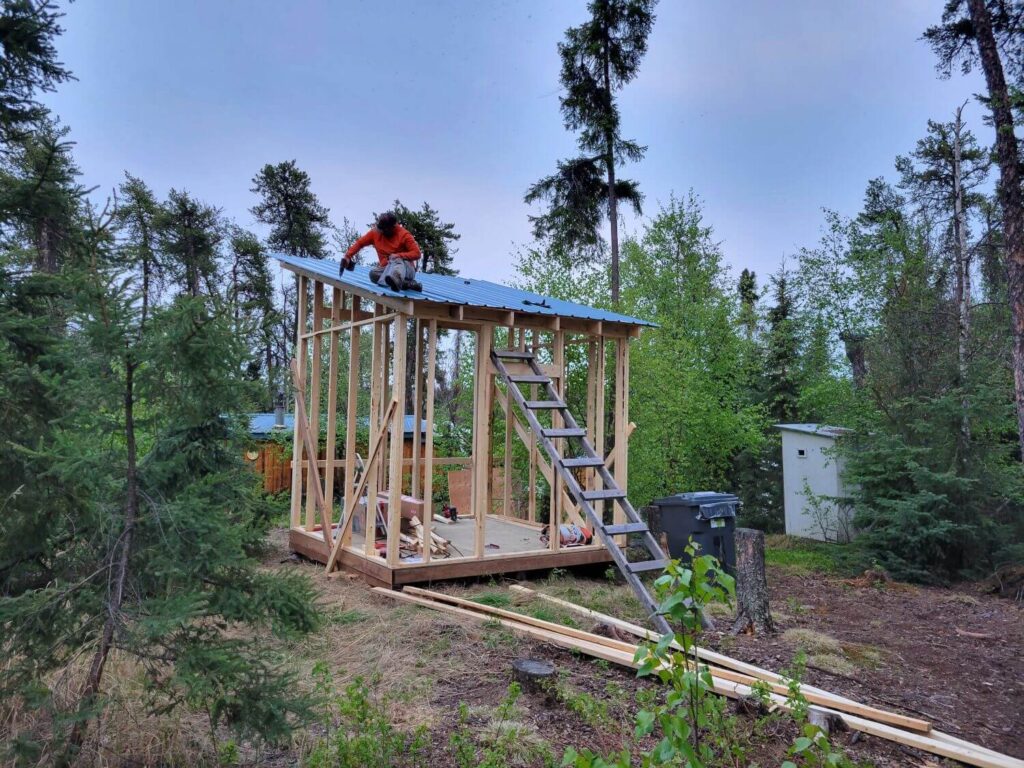
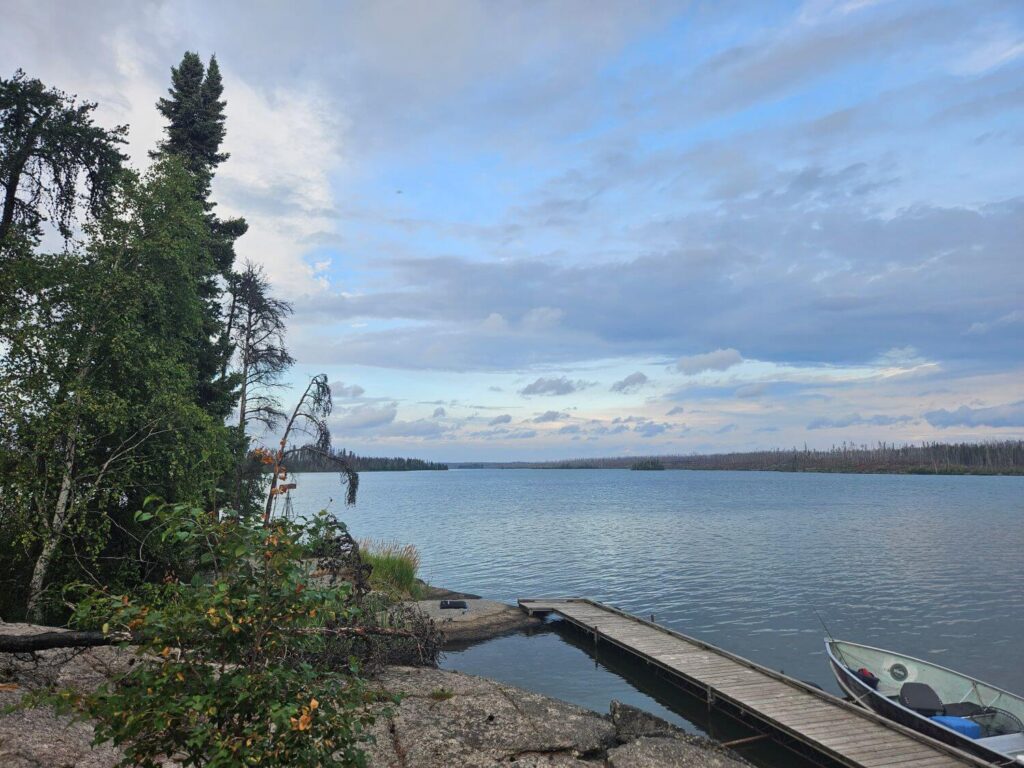
We learned that the demands of a “seasonal” business are not seasonal at all. Between admin work, planning and prep for projects, guest inquiries, and off-season maintenance, the camp was truly a year-round endeavour. Projects at home and the cabin continued to be placed on the back burner. Or maybe had completely fallen right off the stove by then.
But we pushed through, made it work, and fell hard for this little spot in the middle of nowhere.
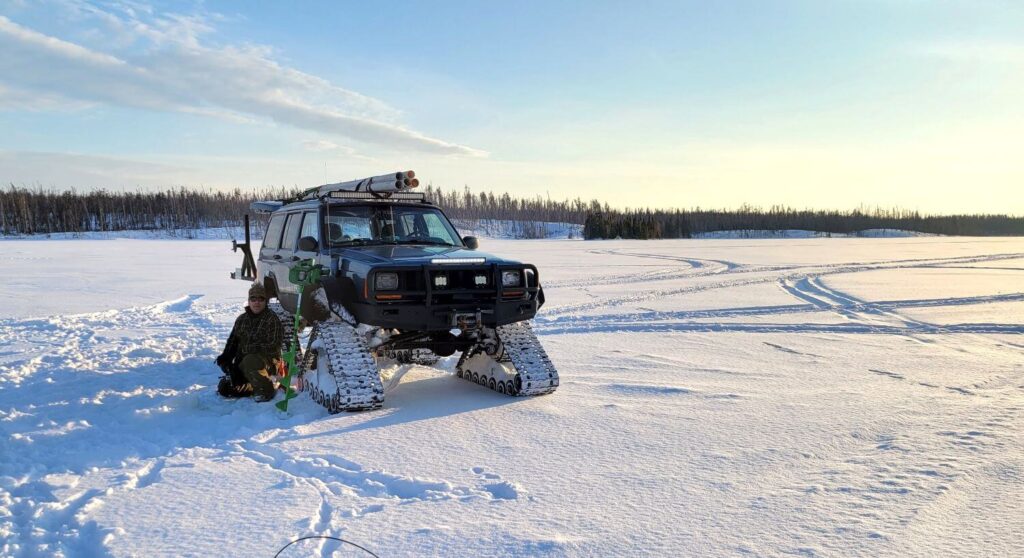
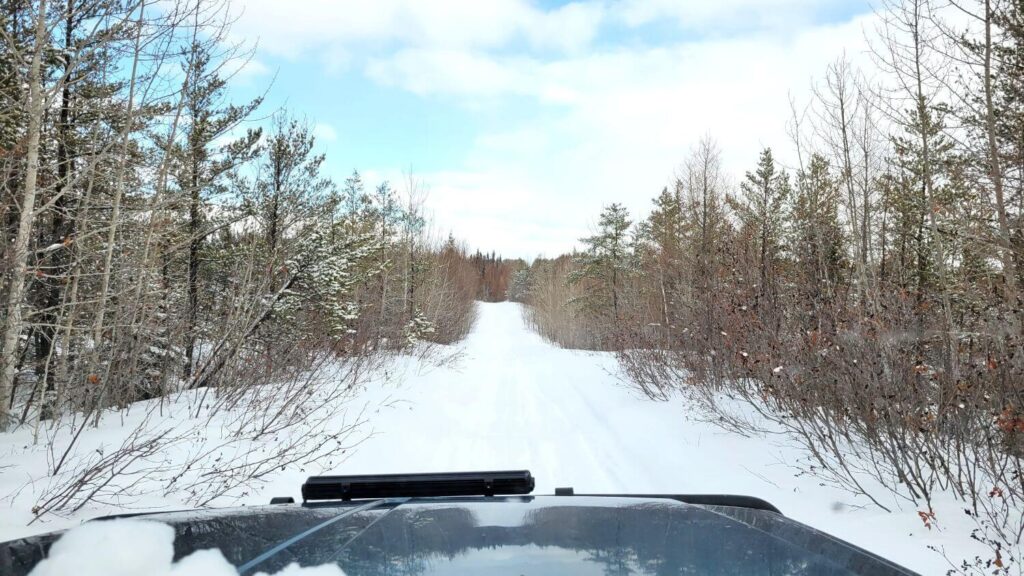
By early 2025 we felt like we were hitting our stride at the fishing camp. We had our systems and processes dialed in, our big-item to-do list was dwindling, bookings had improved year over year, and it was shaping up to be a great season.
We talked about how much less demanding this year was going to be and how we might finally have some time to breathe and shift our focus back to things we had let slide in the past four years.
We made our regular season-opener trip in mid-May, which is when we go in to get things opened up, cleaned, prepped, and ready for guests to come in. Things went great and we had a lovely time, as always. We flew out on May 26, 2025, the day our first guests of the season flew in.
Two days later we were making the call to evacuate them from the camp.
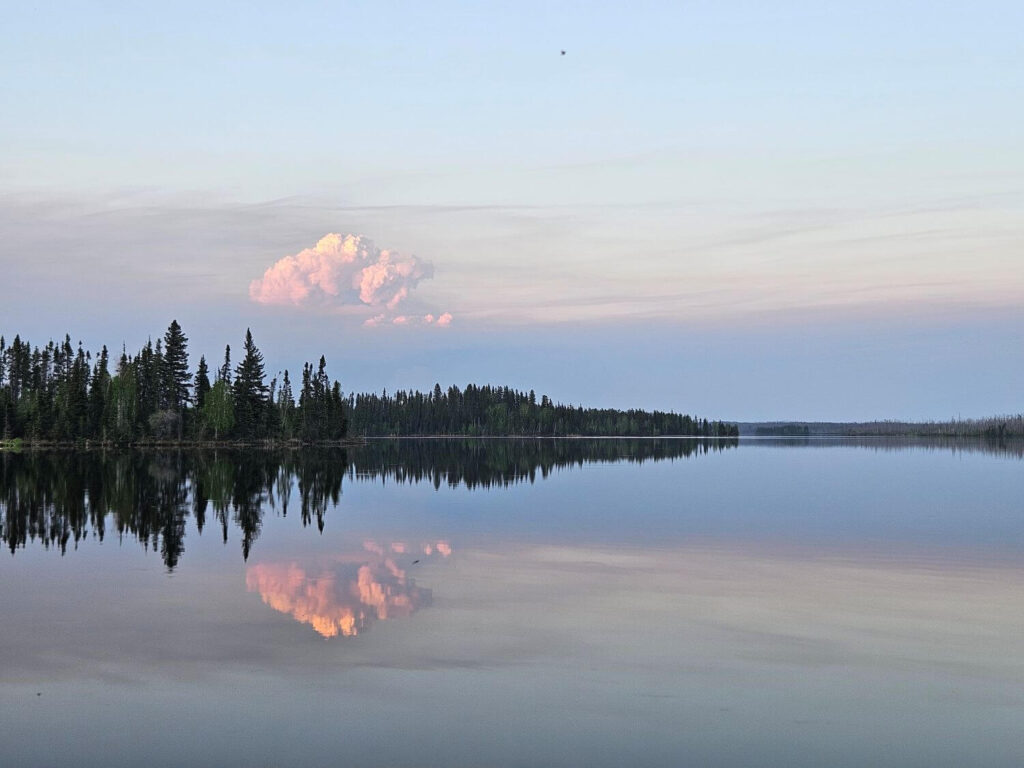
In the north, we don’t have summer… we have fire season. It’s part of the reality of living, playing, and working in the northern forests. It’s something that takes a lot of getting used to when you first start spending time up here. Every social media post, fire map update, and smoke plume is unnerving when you’re not used to it.
But the general consensus from those who had lived through many, many fire seasons was to not worry too much about it. Sure, keep informed and be aware. But fires are a very normal part of being up here and “they” will likely take care of anything that poses a threat to life or property.
Here in Saskatchewan, “they” is the Saskatchewan Public Safety Agency. The SPSA is tasked with addressing wildfires, deploying teams, and overseeing values protections of remote properties like ours when they are able. There are no guarantees, but they will typically install fire suppression to properties under direct threat of fire, as they did at the fishing camp when a fire moved through the area back in 2017.
All this to say that when I saw posts about a fire that started at the Creighton dump the day we left to return home, I really wasn’t too worried about it. It was 20+km away from us and close to town. They would be on it quick. No problem, right?
Unfortunately for us, and many others, that was not the case.
A perfect storm of dry, windy conditions, a slow start to the suppression response, the grounding of air support due to some incredibly inconsiderate individual flying a drone in the air space, and a general lack of resources turned that little fire at the dump into one of many behemoth wildfires that raged through Northern Saskatchewan and Manitoba this year.
By the next day, our guests at the camp were sending photos of the smoke plume and fire glow moving closer and closer. The day after that, Flin Flon issued an evacuation order which meant the pilots (ie our guests’ only way out of camp) had to leave. We had only hours to get them out which, thanks to the incredible team at the air base, happened. They then made the long slog of a drive home among the thousands of other people being evacuated from the area. At that point, we were just so grateful that they got out safely and that no one was hurt or left behind.
I breathed a sigh of relief, still thinking that the camp might just be spared from the flames if only the wind and rain would cooperate.
For days we watched the fire maps obsessively. The hot spots were moving at a rate I had never seen before, with a huge swath sweeping 30 or 40 km in a day across the forest. We were informed that the SPSA didn’t have the resources to deploy fire protection at remote properties, so our fate was left up to mother nature. The only glimmer of hope we had was that our solar system app was still showing activity. As long as that was active, we knew the fire hadn’t reached the cabins. So, we watched. And waited. And refreshed the browser windows.
Over and over and over.
In the meantime, another out of control fire in the area shifted direction and pushed back to the town of Denare Beach where over half the town’s homes and businesses were lost to the flames. It was horrifying and shocking, to say the least. We understand that there won’t always be the resources available to protect a single little remote camp in the middle of nowhere. But to see an entire town left to fend for itself with nothing but their volunteer fire department and whatever supplies they could scrounge from local businesses was just plain heartbreaking.
It was becoming more than apparent that this fire season was not like any other we had experienced.
The day our solar app went dark, we didn’t really know what to think. The fire had initially moved through the area days before, but had it flared up or turned back? Or did the solar inverter simply trip and shut the power off? All we had to go off of were inaccurate fire perimeter maps and satellite imagery that seemed to be obscured with clouds at every update.
Hanging in the space of not knowing was driving me crazy. I made many unsuccessful attempts at contacting the SPSA to get any information we possibly could. I finally changed strategies and got connected with a wonderful conservation officer who went in search of our property report. Though it wasn’t his job to do, he took the time to call me back and give us the news.
Our fears were confirmed – the camp was lost to the fire.
All he could tell me was that the “cabin” and “boat” columns on the little form were marked as losses. It wasn’t much but it was enough to at least stop the questions and endless possibilities running through our minds. At least we knew now.
We cancelled out the rest of our season and had the heartbreaking task of informing our guests and the former owners of the loss.
In the coming days and weeks, as we waited for the evacuations to be rescinded, the airspace restrictions to be lifted, and the highways to be opened, we spent hours at home running through a million scenarios in our minds of how we move forward from here.
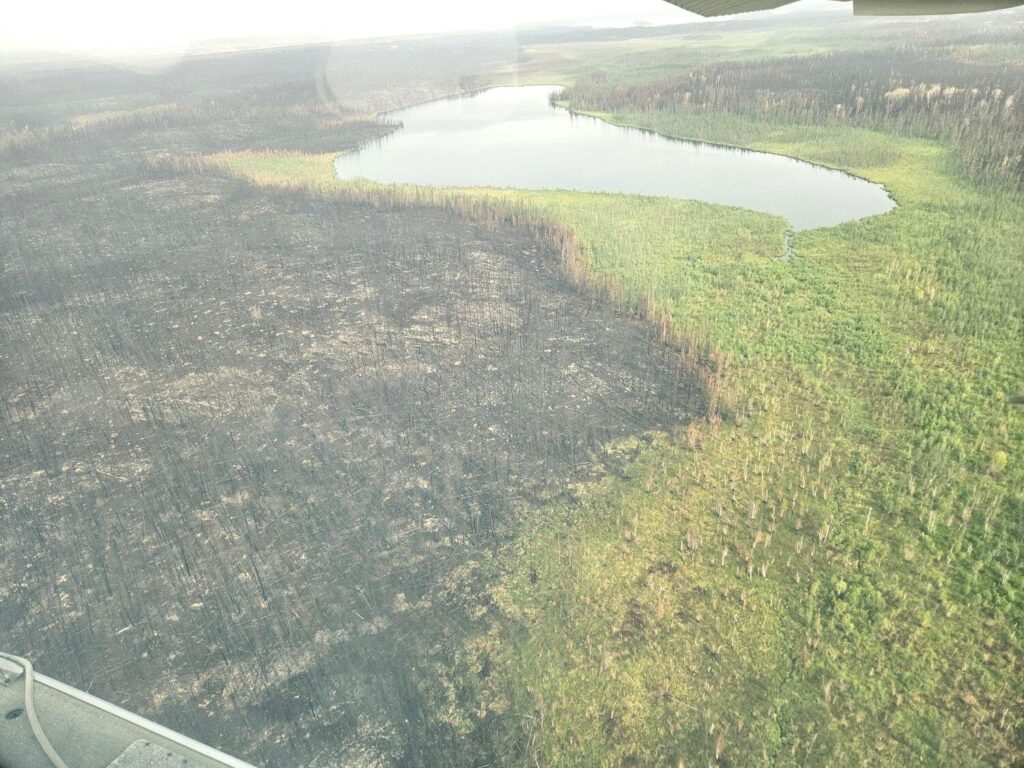
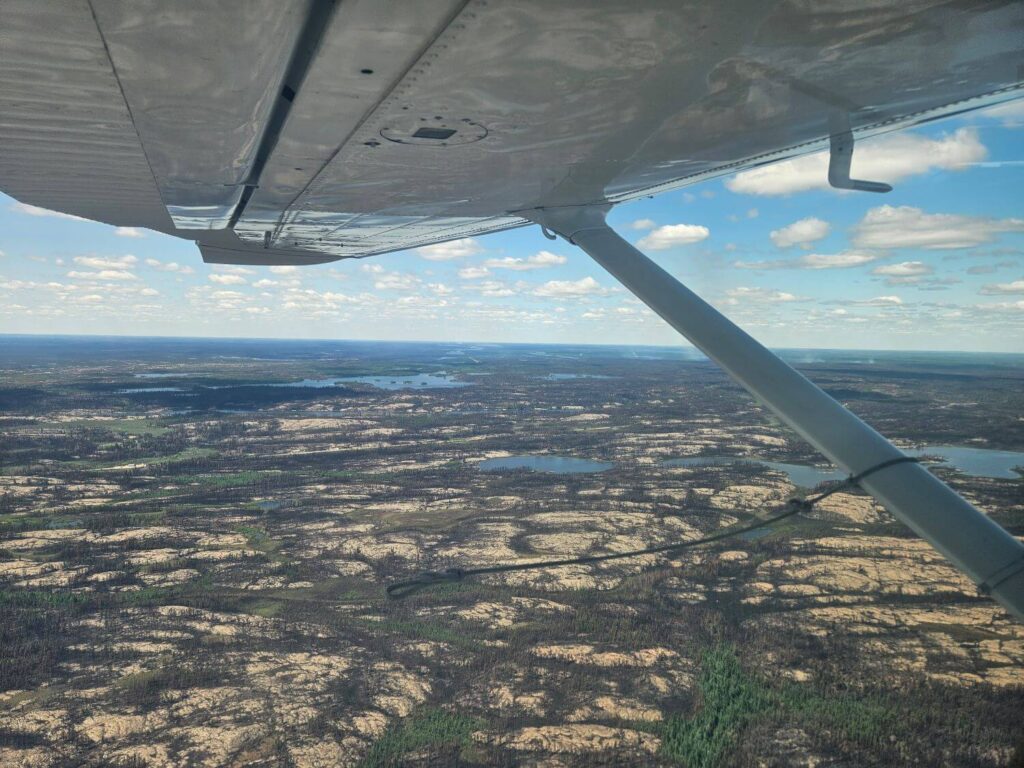
As soon as we were able, we made the trip up. The first couple of flights to the camp were simply for information. Just as we had done on our very first trip in when we made the offer to purchase, we only had an hour to look around. Scanning the land, assessing what was left behind and what was destroyed, taking photos, and trying to wrap our heads around what had happened and what was to come.
The next couple of months went by in a blur. Days were spent going through the motions of regular life while navigating a maze of insurance emails, spreadsheets, and estimates. Discussions were had about whether we rebuild, what we rebuild, and how we rebuild all while having big blank unknowns clouding our ability to make decisions.
—
Summer is now over. That fall bite is in the September early morning air and the geese fly over every so often to remind us that we blinked and it was gone.
It’s hard to convey how time works when you move through an experience like this. Minutes are hours. Weeks are months. But months are seconds. Big chunks of time are gone in a flash but you’re stuck in a never-ending limbo where nothing and everything happens.
Each stage moves into the next. No resolution. No closure. Just floating through the fear, the uncertainty, and the questions into new fears, new uncertainties, and new questions.
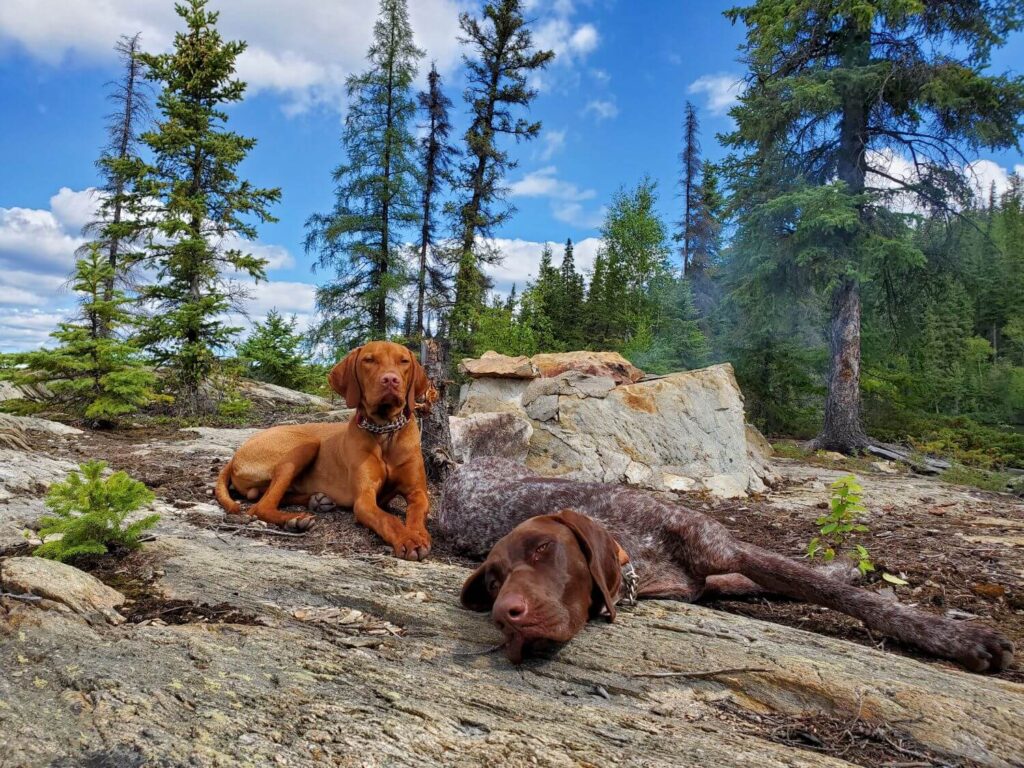
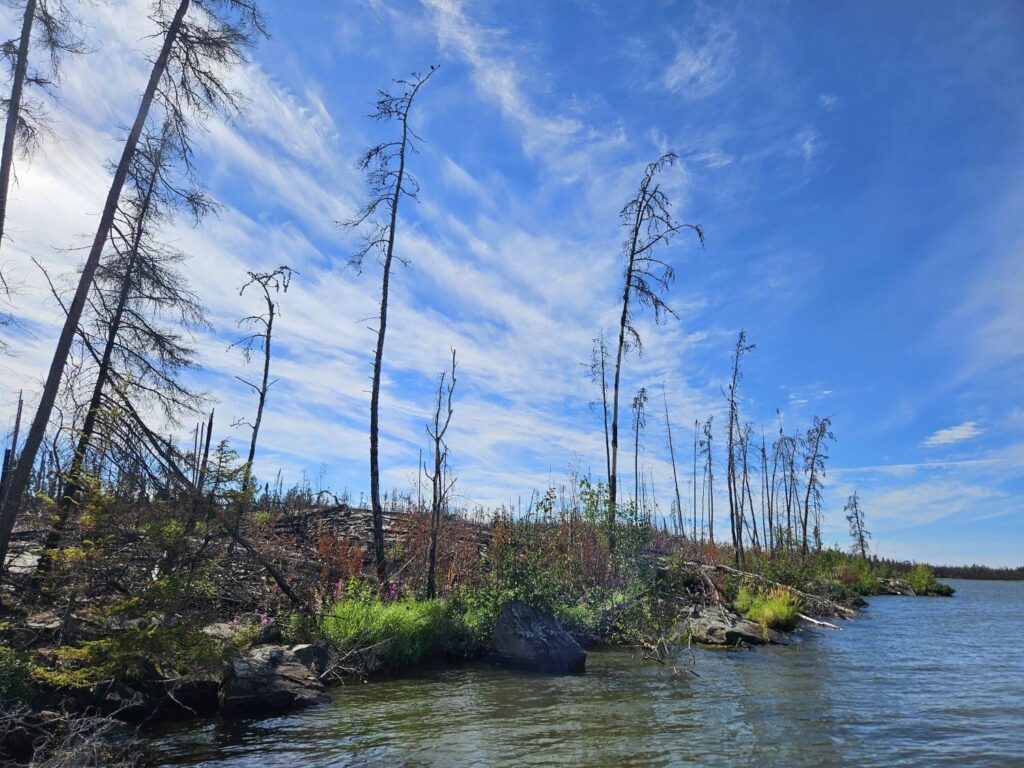
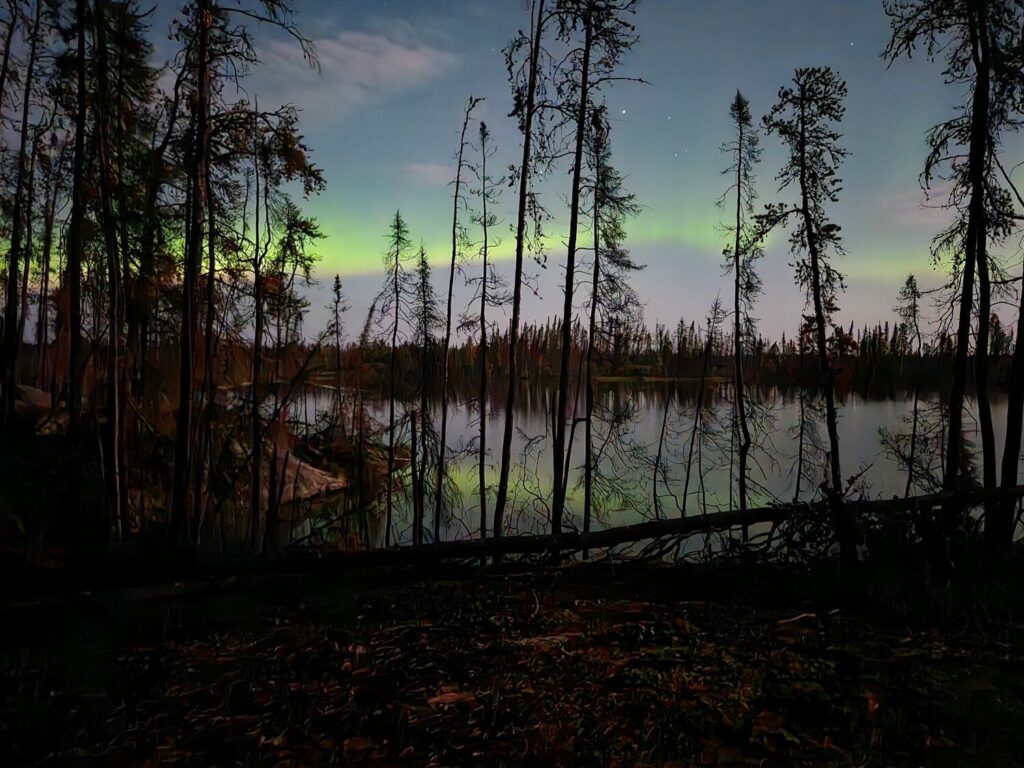
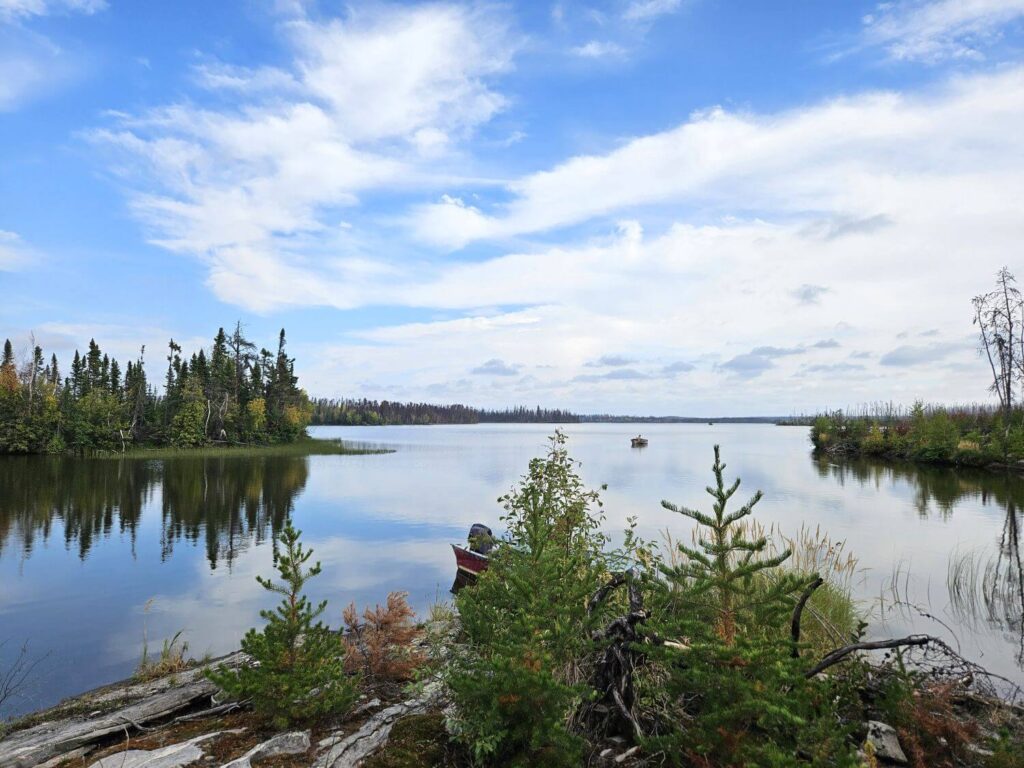
As I write this, we’ve now spent a total of more than 30 days at the camp, post-fire. Surrounded by the scars left behind by the flames, it’s no longer the stress of having guests to worry about or wondering what’s happening here that weighs heavy. It’s the grief of losing the little places. That place on the lake where the light hits just right through the trees at 4pm on an August afternoon. That shady spot on the mossy rock where we’d walk the dogs on a warm day.
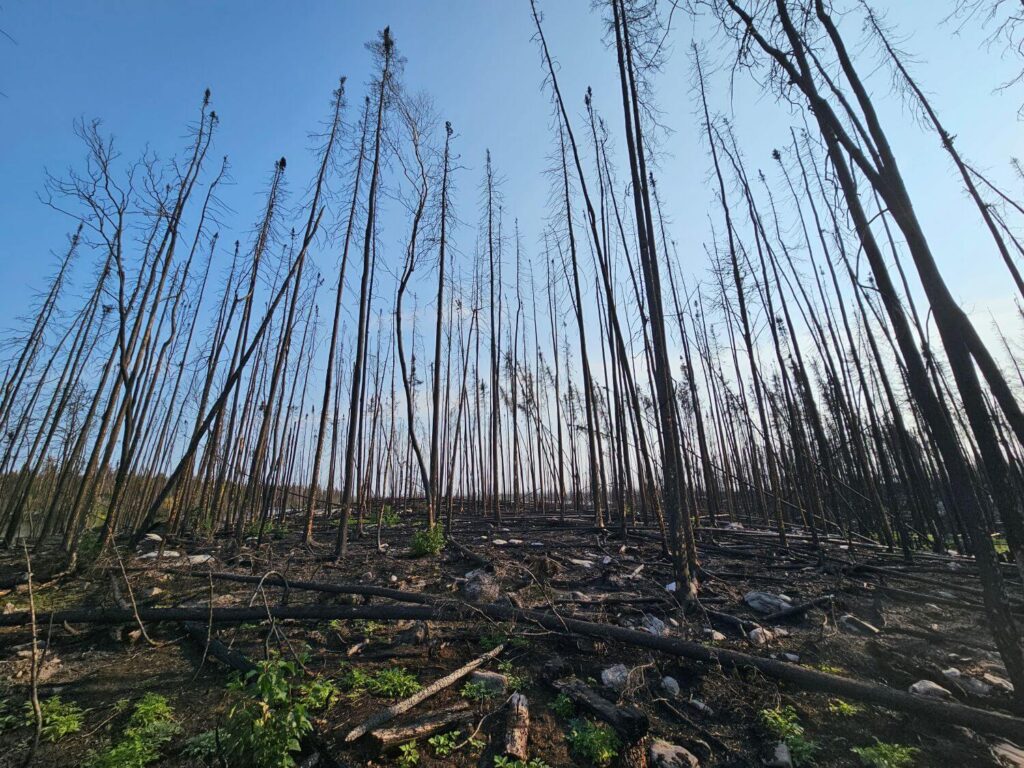
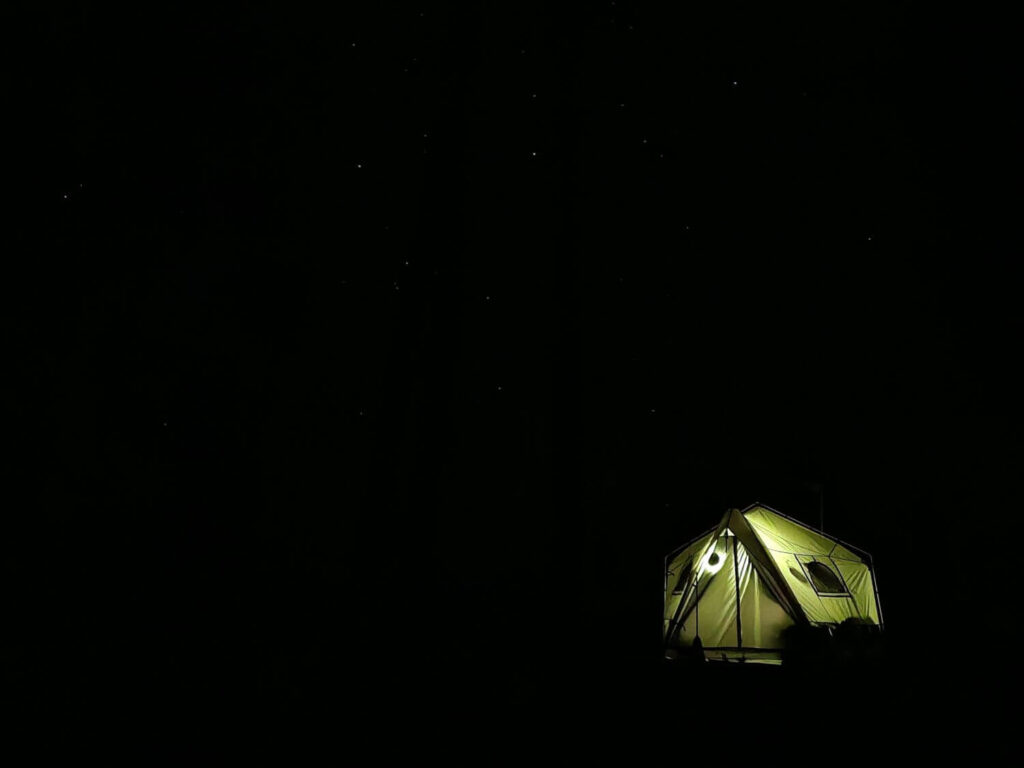
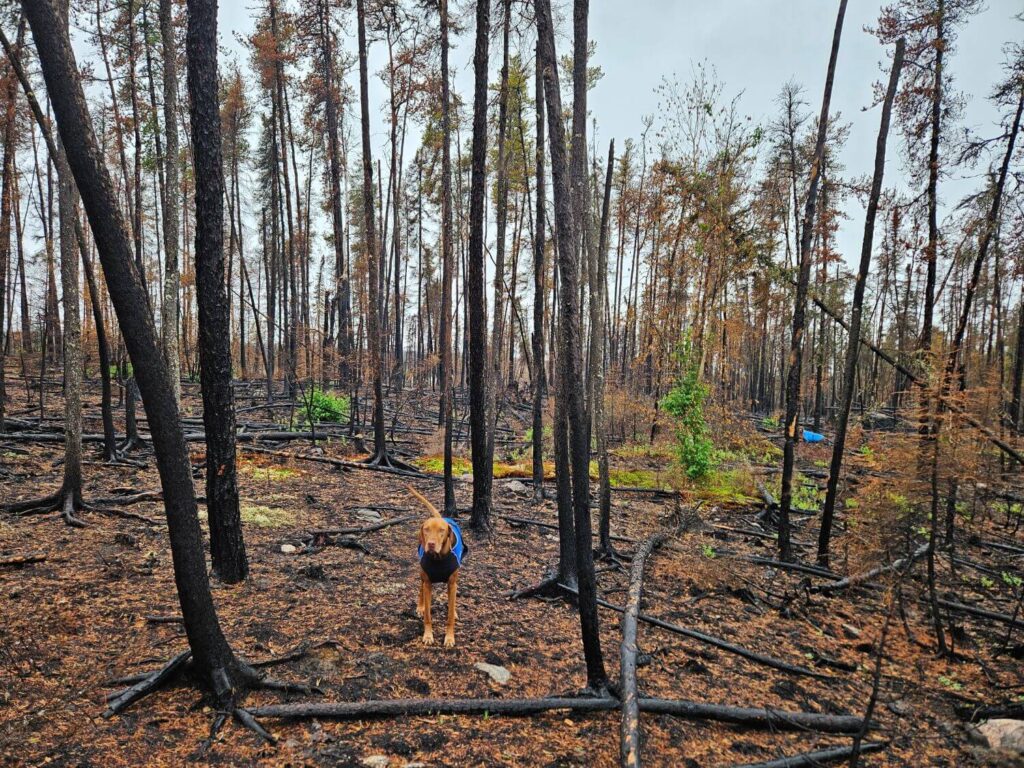
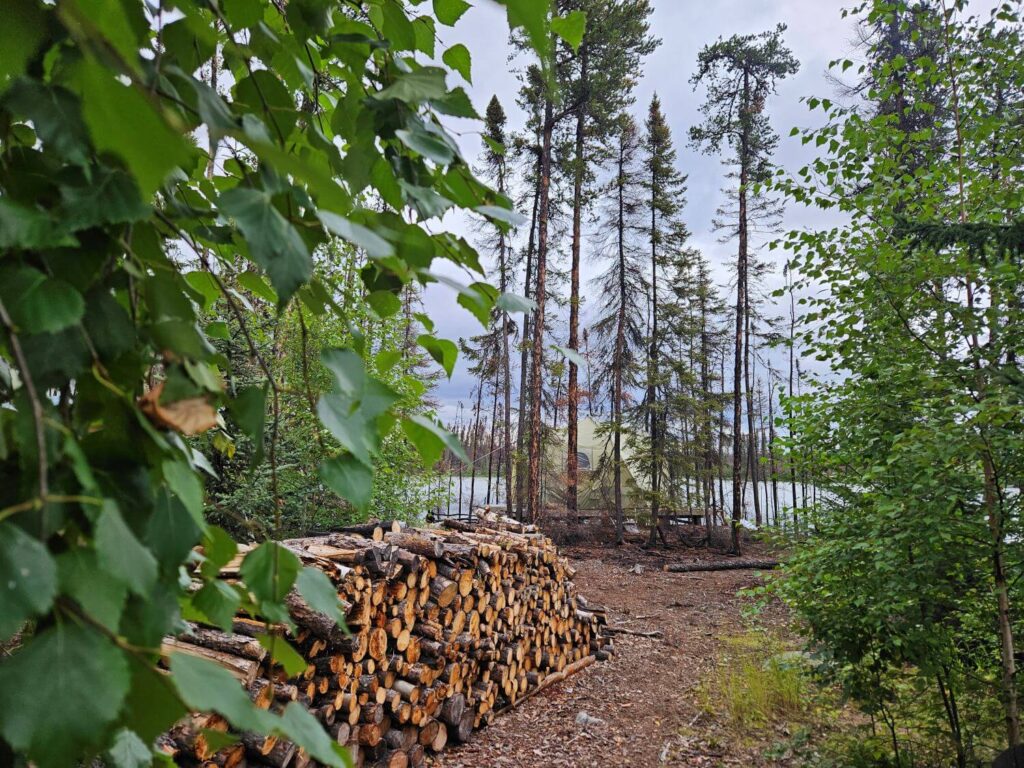
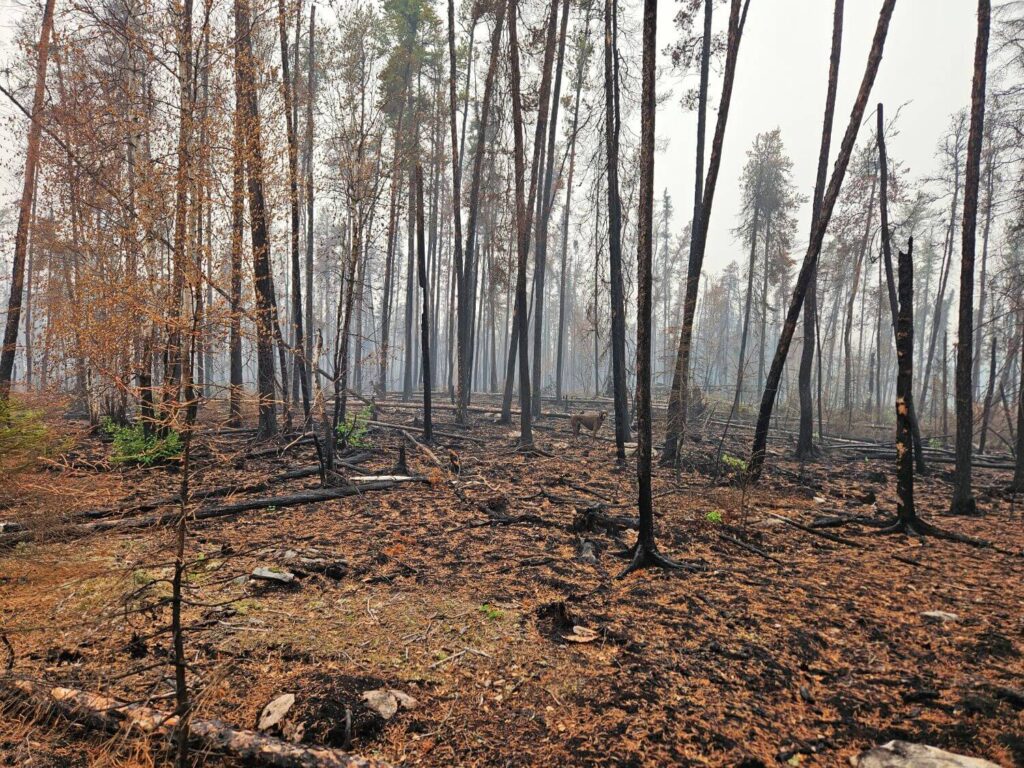
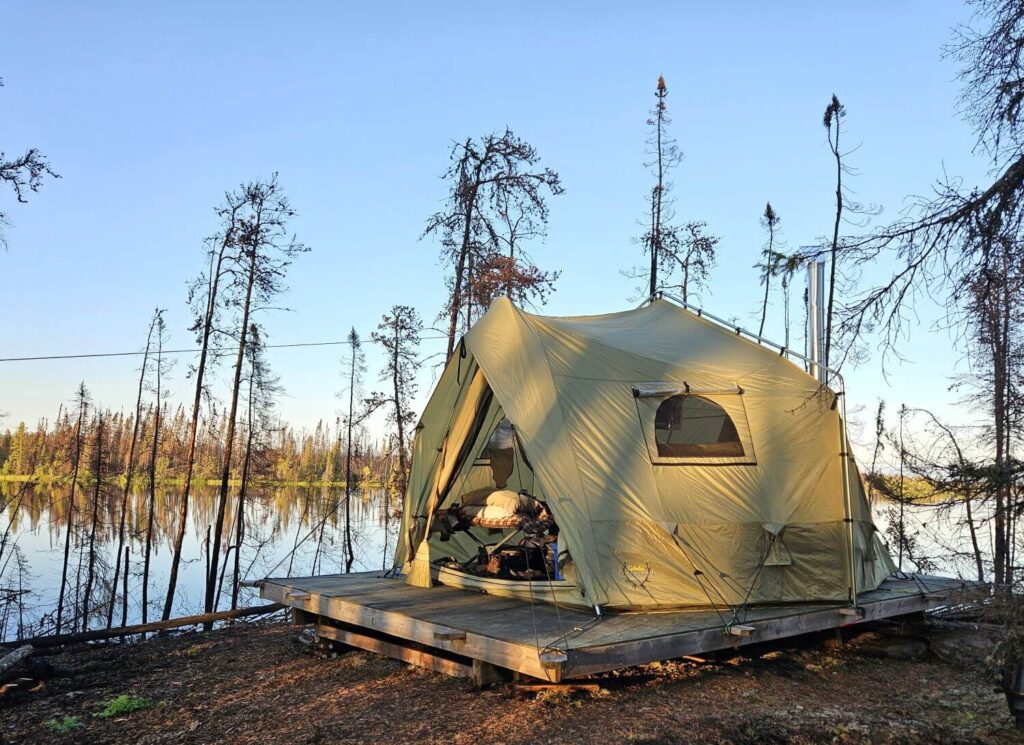
It’s knowing that we will never in our lifetime see The Forest, as in the whole being, the living monolith, as it was when we hopped on that plane on May 26th just days after wandering shorelines, talking and dreaming of one day maybe building ourselves a little cabin in the woods. Just for us.
But those woods, for the most part, are gone now.
Yes, things will regrow. The fireweed, labrador tea, blueberries, raspberries, birch saplings, and so much more are already reaching for the sun. But we’re talking decades before those pines that burst out of their seed casings next spring will cast shadows over our heads. We’re talking centuries before the intricate relationships of flora and fauna have peaked as they were just a few short months ago.
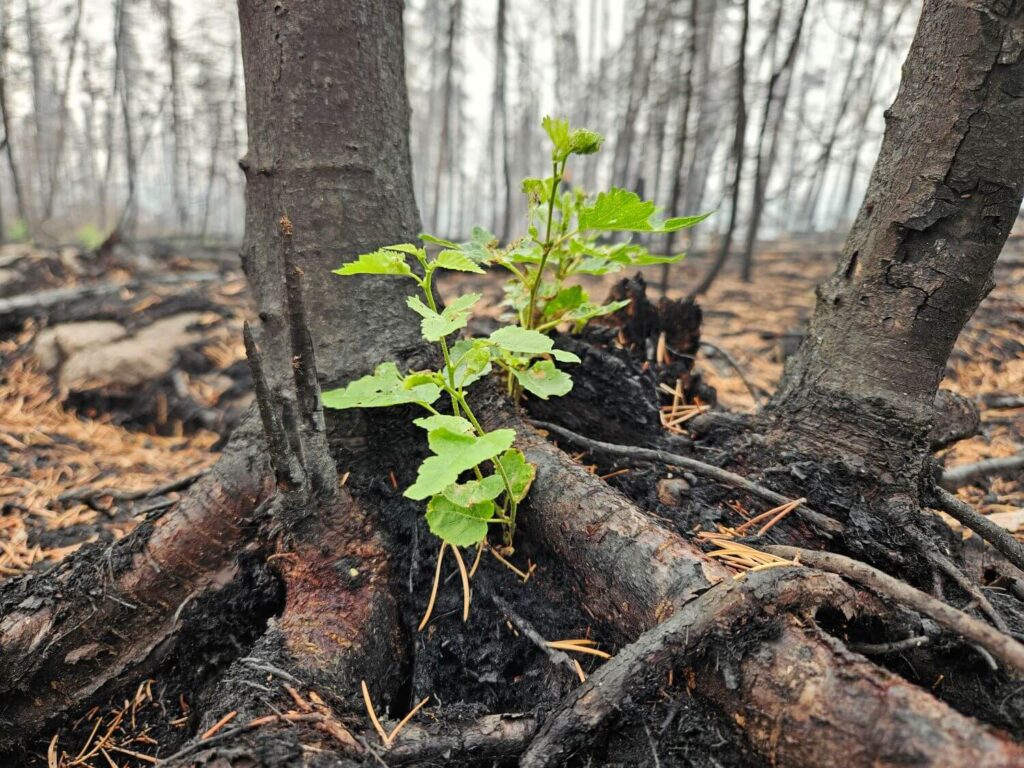
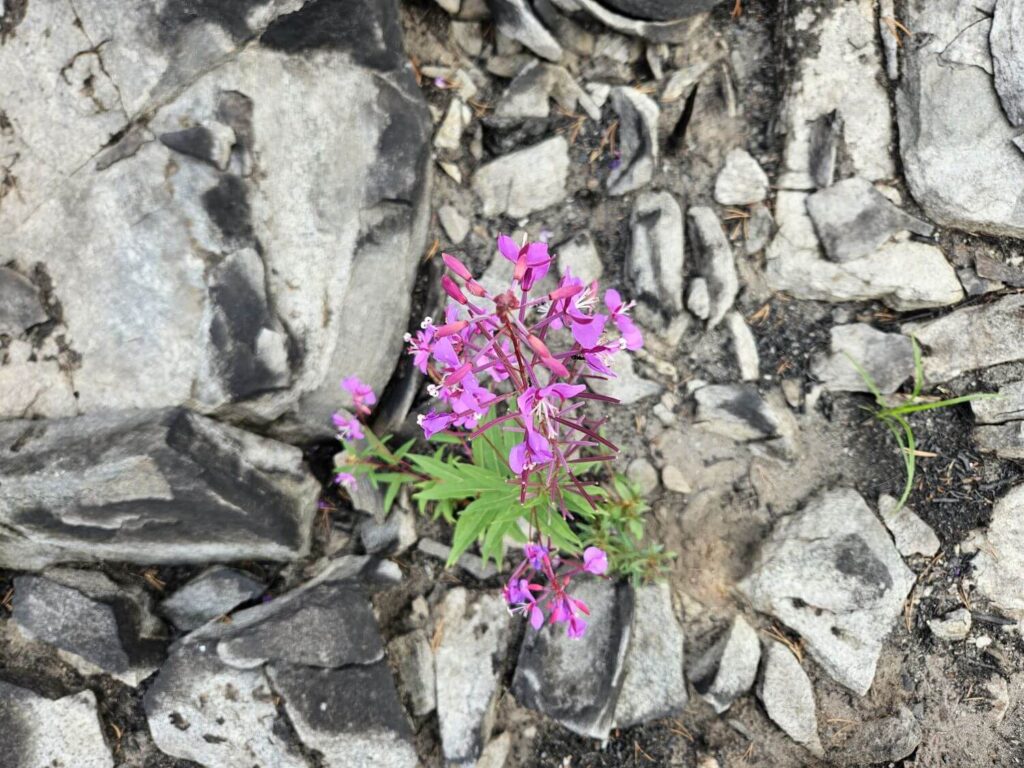
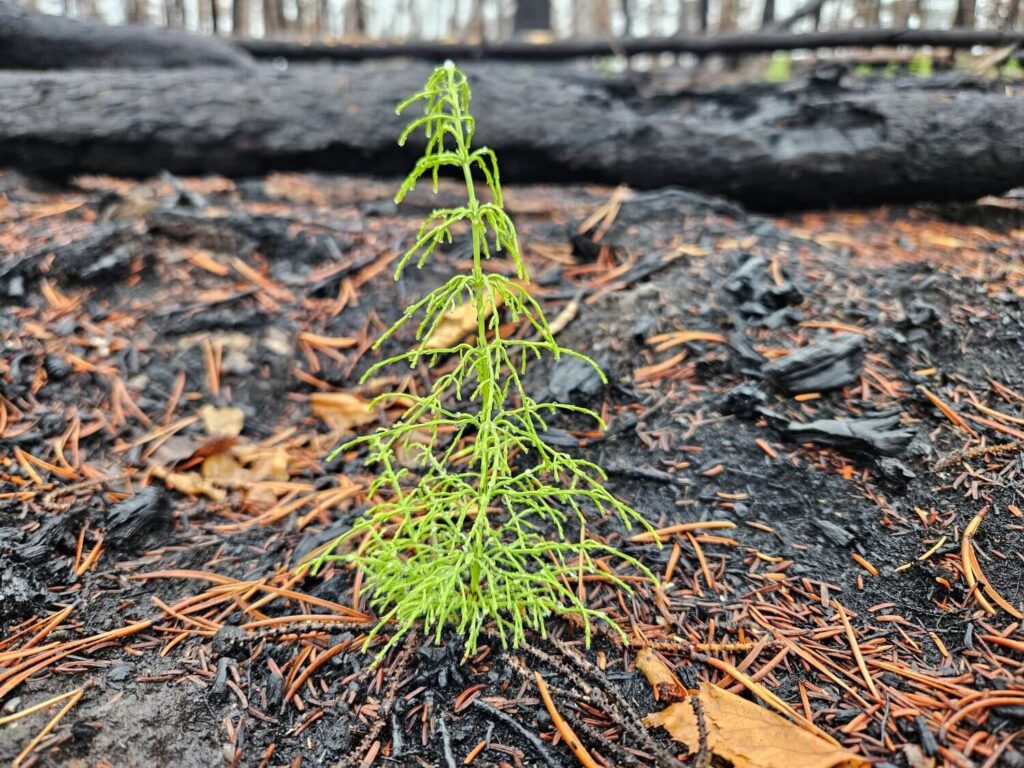
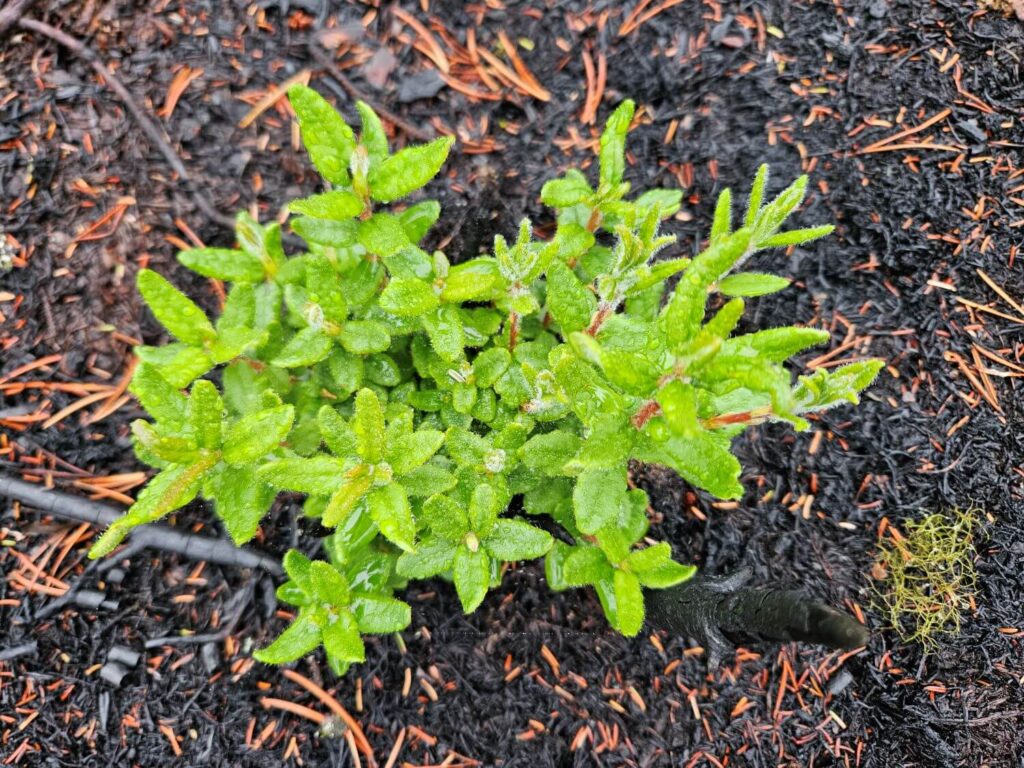
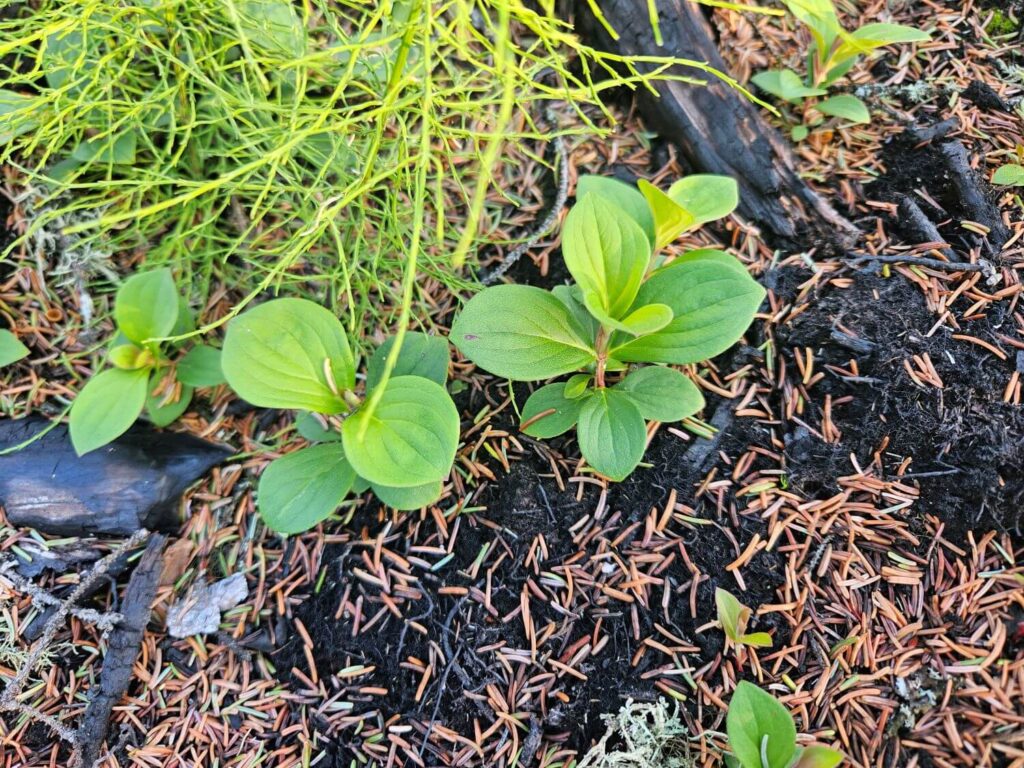
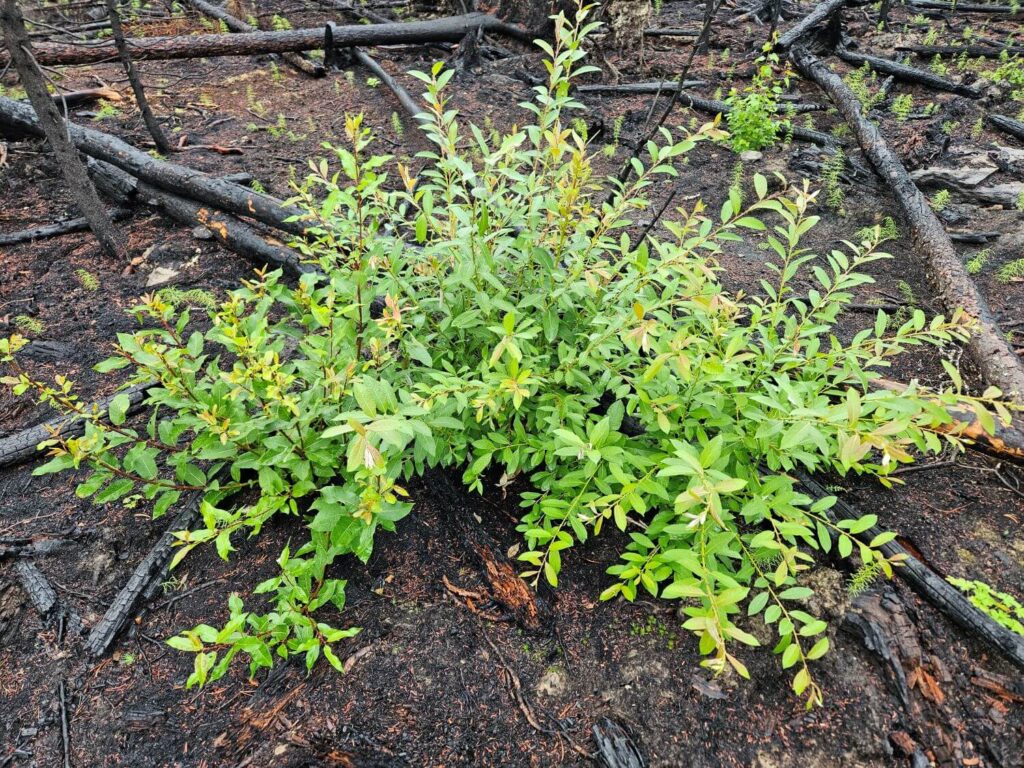
On the flip side of the coin is the fact that we get to witness a whole new world that happens during regeneration after a fire. The succession of the plants as they populate the scarred ground. The wildlife carving out their niche in a new landscape.
A few mornings ago, I stepped out of the tent to a beaver swimming across the lake, hundreds of fish jumping in the calm morning waters, a group of otters playing, and an eagle soaring overhead. Life is still here.
And so are we.
As we work our way oh so slowly through the insurance process, while planning for an unknowable future, we spend the days working our asses off. We sift through the soot and the dirt, picking up the shards of glass, nails, and debris that represents so much time, thought, love, care, and work put into this little spot. Not only by us but by so many others who called this place theirs before. We field phone calls and messages from guests, some of whom have been coming here for decades, as they share their memories and the loss that weighs heavy on them too.
This place is so much more than just a couple of cabins that burned. It’s where bonds and memories have been made. It’s where memorials have been placed and the ashes of lost loved ones have been spread. It’s where people have come to reconnect with nature and experience a pace of life entirely different from the norm in our modern world.
We go back and forth in a pendulum of emotions – gratitude that no one was hurt, that we still have our home (unlike so many others), that our cabin (which was also in the path of the flames) was left untouched. Sadness at the loss of the property and the landscapes around it. Anger that the actions of a few people could result in such wide-reaching devastation. Fear and overwhelm as we try to make decisions that could be, for better or worse, life changing for us.
To say 2025 has taken a different direction from the one we expected would be a massive understatement. So, now we pivot. We move forward. We try our best to make the “right” choices. We relearn this place that is still so much the same and yet so different. We embrace the beauty that remains and that which is just emerging.