ROAD TRIP ESSENTIALS
Hitting the road soon? Whether you’re on a long day trip or heading off on a weeks-long adventure, this list of road trip essentials will have you covered.
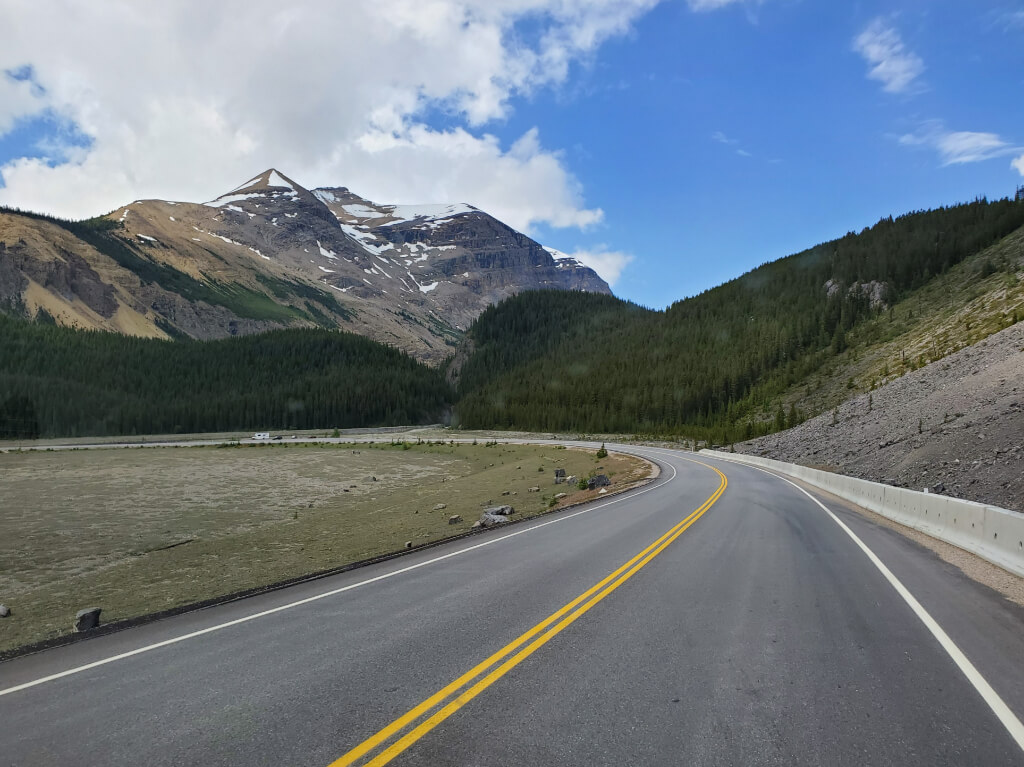
Taking the pups along? Check out my Essentials for Road Tripping with Dogs
This post may include affiliate links. As an Amazon Associate I earn from qualifying purchases. Find more info in my privacy policy.
Mark and I have spent our fair share of time on the road. We routinely make the twelve-plus-hour return trip to our cabin in Northern Manitoba and have done multiple longer trips across Western Canada. Over the years we’ve learned a few things about making these hours more comfortable and fun so I thought I’d share my thoughts and tips for road trips here.
Here’s what I consider to be essentials for road tripping:
A Vehicle
Okay, so this one might be so obvious that you’re wondering why I’d even include it on the list, right? Well, it’s not so much a reminder to take a vehicle along but more so a reminder to think about the type of vehicle and if it’s the right one for the trip.
Major factors to consider include:
Size
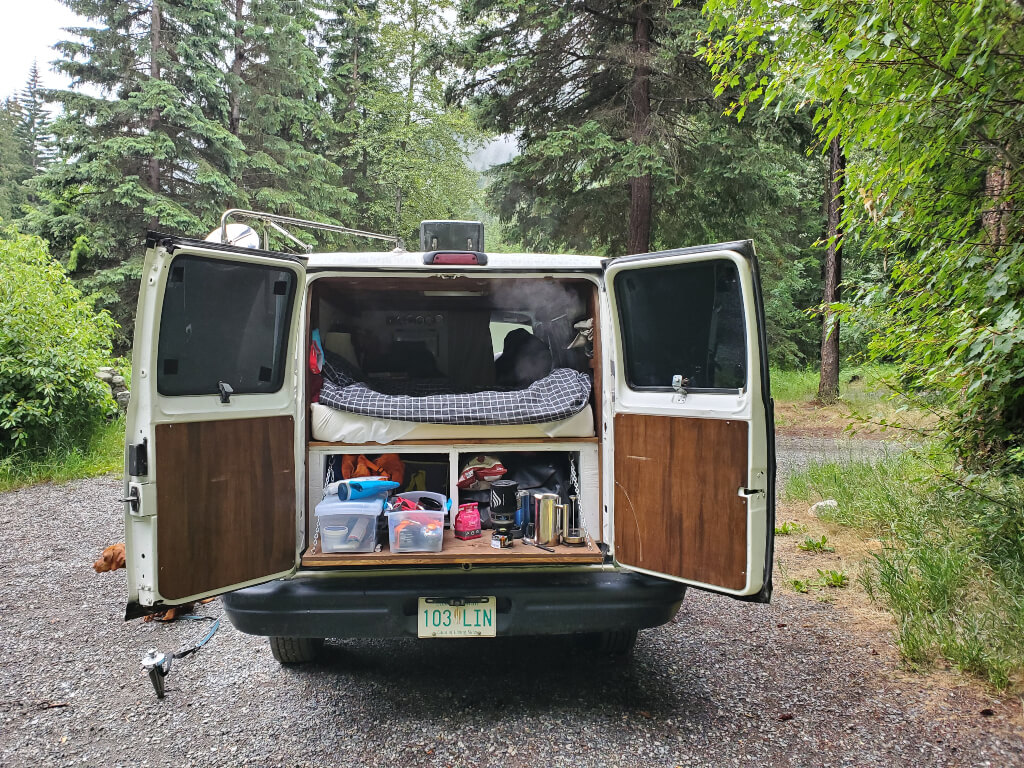
Think about how many people, animals, gear, supplies, etc. you’ll be taking along and make sure you’ve got the space for it. There’s really nothing worse than being crammed so tight you can’t breathe. If you’re planning to camp or sleep in your vehicle, think about the nighttime setup and how you might transition from daytime driving to nighttime home. If you’ll basically be living in your vehicle, I can’t stress enough how much of a difference having head room to stand up and space to spread out a bit will be (think #vanlife).
Gas Mileage
Fuel costs can add up quick on longer road trips so consider the trade-off between size and fuel mileage.
Condition
It never hurts to have your car serviced and checked over before heading out on a longer trip. That weird noise you’ve gotten used to may not seem like much of a problem on your daily commute but could become a serious issue while out on the road. The condition of the vehicle becomes even more important if you’ll be heading into remote areas where things like cell service and roadside assistance aren’t available. If you’ll be renting, make sure you’re getting your vehicle from a reliable place that offers roadside assistance and has a good reputation for the condition of their fleet.
If you own a vehicle and it’s not the going to work for your trip, look into renting or start buttering up your weird uncle with that mint-condition Winnebago in his backyard. And don’t forget to check into up-and-coming car share services like Turo. In any case, make sure the distance and locations you’re planning to go are allowed in the contract. Especially if you’ll be crossing borders.
Tool Kit and Owner’s Manual
Related to the point above, even the most well-kept vehicles can face breakdowns and issues. Take along a basic toolkit and make sure your owner’s manual is at hand for those simple roadside fixes you can DIY.
We may or may not have learned this one the hard way after spending 7 hours in a gas station parking lot while Mark macgyvered a fix on our boat trailer with nothing but a screwdriver and a tire iron. There may have been a rock utilized at one point as well… it wasn’t fun.
Power
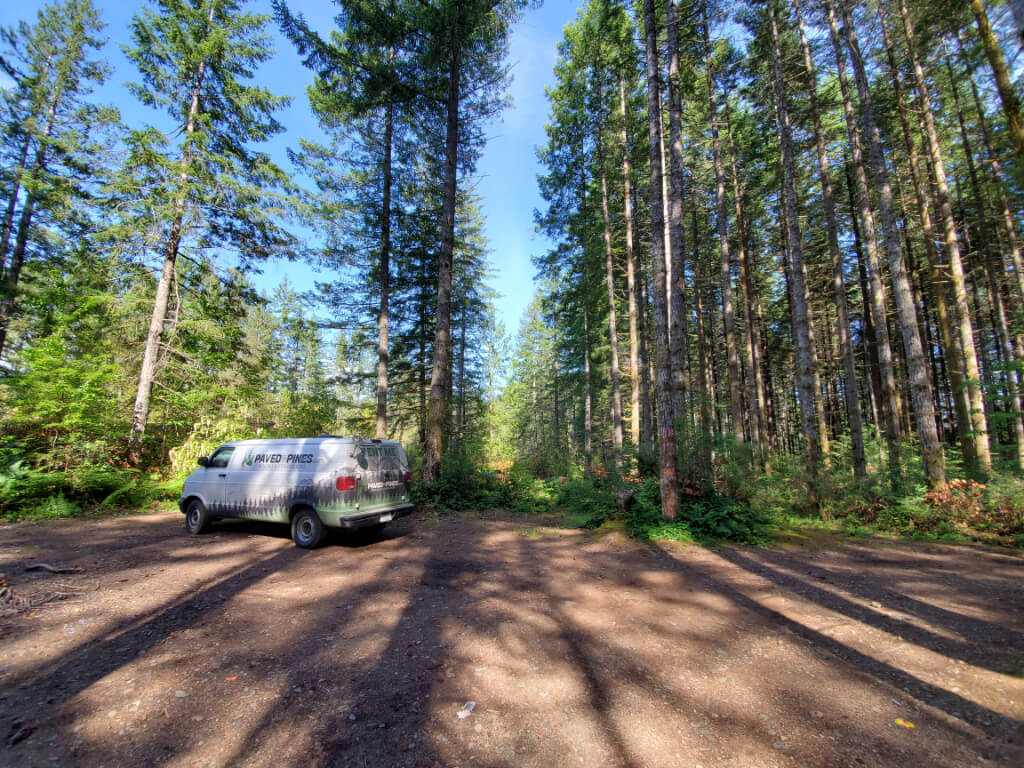
Most devices can be charged by your car’s USB plug (or an adapter in the lighter socket) while you’re driving, but it’s sometimes handy to have power available once you’ve stopped for the night – without having to worry about draining the car battery.
This obviously isn’t as big of an issue if you’re staying in hotels or crashing on friends’ couches at night but if you’ll be camping or sleeping in roadside truck stops, you’ll be glad to have some backups along.
A portable solar panel and battery bank can come in super handy. I like Biolite products and have personally purchased the Solar Panel 5+ and the Charge 20 battery banks.
Packing and Organization
Life on the road will be so much more pleasant if you’re able to keep yourself organized. Everyone will be different when it comes to preferences and priorities while packing, but there are a few things I’ve learned over the years that have made my life much easier.
My biggest tip is to find a spot for everything and then put it back in the same place EACH AND EVERY TIME. This can literally save hours spent searching for things that should be close at hand.
I’ve become pretty obsessed with packing things in various sizes of Sterilite containers which are stackable, sturdy, transportable, and easy to dig through. The see-through ones make it even easier to know which one to grab when looking for something specific.
While we’re driving, I like to keep a smaller backpack with things I want easy access to close by. It holds things like my wallet, cell phone, camera, charging cables, laptop, important documents, books, snacks, water bottle, etc. Keeping these items separate will prevent the dreaded roadside pullover and subsequent rifling through every bag to find that one thing (which always happens to be at the bottom of the bag that’s hardest to get to).
As I mentioned earlier, being able to easily switch from daytime driving to nighttime living is essential. If you’ll have to haul stuff into a hotel or move things around in the vehicle to be able to sleep, then having things packed efficiently will be even more crucial.
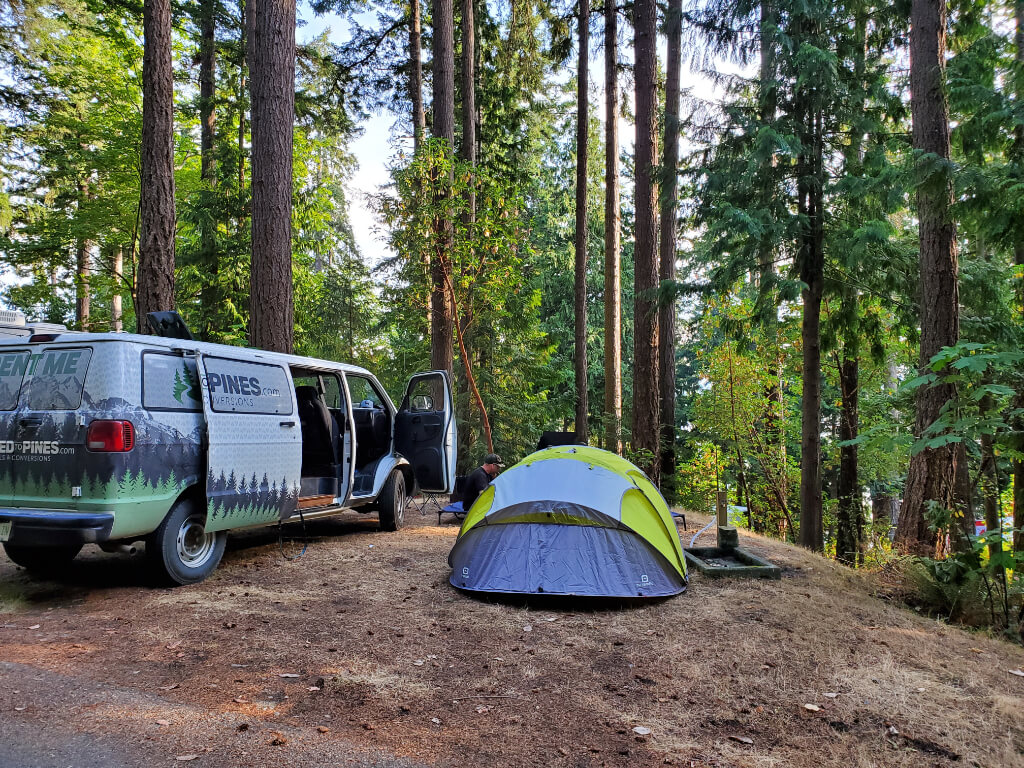
While living in a van on our latest trip, we bought a cheap popup tent and used that as a quick, easy, waterproof way to store our extra gear and free up space in the van while in campgrounds at night. Considering we had dog stuff, backpacking and hiking gear, regular clothes/toiletries/etc., and camping gear along, being able to quickly reconfigure our setup while still having access to everything we needed was pretty important.
It might take some time to find the right system that works for you but with a little trial and error you’ll quickly lean what works and what doesn’t.
An Itinerary and Copies of Important Documents
Whenever we travel, I’m constantly trying to find the right balance between allowing for spontaneity and planning ahead. Road tripping can be one of the most flexible ways to travel and can allow for a lot of unplanned stops, side trips, and unexpected surprises. Which is great! But I’m a firm believer in doing a bit of research and having a rough outline of an itinerary before we go. Here’s a few reasons why a little research and planning ahead can be important:
- To make sure you are allowing enough time to cover the planned distance
- To know ahead of time if you should have reservations for hotels or campgrounds or if you can just wing it
- So you don’t miss out on those must-see places
- To learn about lesser-known or off-the-beaten-path places that you’d never know existed if you’re just driving by
- To note things like road closures, opening hours of attractions, important schedules (like ferries, etc.), and any other info that might impact when you arrive at or leave from a destination
Because of this, I like to make a rough itinerary for each day that includes the planned distance covered, where we have reservations or are planning to stay for the night, stops or attractions I really want to see and others that would be cool if we have time, and any other relevant info for the day. I always try to allow room for those unexpected happenings that crop up.
Of course, this can be more or less flexible depending on the amount of time you are traveling for and your goals for your trip. I find that the tighter the schedule, the more important planning ahead will be.
Part of staying organized when it comes to the planning portion of the trip is to keep important documents somewhere easily accessible. This can include:
- Drivers license
- Insurance
- Roadside assistance information
- Reservation information (hotels, campsites, ferries, etc.)
- Pre-paid attraction items (park pass, entrance fees, permits, etc.)
- Necessary medical information
- Emergency numbers
- Maps
If you’re not the planner type, this might seem like a little much. But trust me, it will save a ton of stress on the road if you can quickly grab that reservation number you need or save yourself hours of driving around looking for a place to spend the night.
A Pit Stop Kit
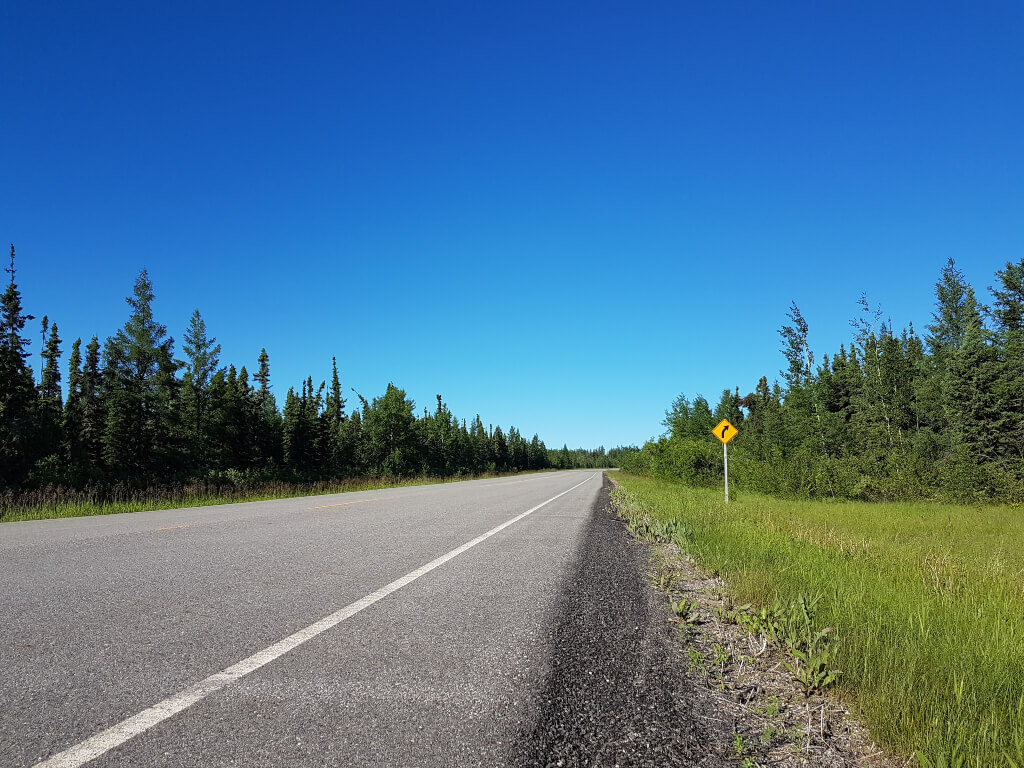
- A Kula cloth, toilet paper, and wet wipes for those roadside stops with no bathroom (or those poorly-stocked roadside bathrooms)
- A Ziploc to dispose of your toilet paper and wet wipes (because no one wants to see used TP on the side of the road, people!)
- Hand sanitizer
Not exactly rocket science but you’ll wish you had it if you don’t.
Reusable Everything
Water bottles, coffee cups, shopping and produce bags, food storage containers, cutlery, straws… anything you can use to replace something disposable will cut back on waste and clutter. Plus, you’ll be less likely to contribute to roadside litter and pollution.
Music
A road trip isn’t a road trip unless you’re cranking out tunes while flying down the highway. But if you’ll be passing through remote areas without radio stations or cell service, it can be tricky to keep the music flowing.
You can always load up that ancient ipod sitting in the back of your junk drawer, but I like Spotify for my go-to music source. With the premium version, you’re able to download playlists to your phone and listen offline and data-free. They have playlists in every genre imaginable so you won’t run out of music or get sick of listening to the same songs over and over.
Snacks
What you snack on will really be personal preference, but my biggest tip is to buy it ahead of time at the grocery store. You’ll pay about half the price you would at gas stations and convenience stores along the way.
If you’re looking for snack ideas: jerky, trailmix, and gummie bears all seem to be pretty common occurrences when we’re on the road, as are chips and cookies (we’re not exactly health-focused when we road trip). If you have space for a small cooler, then fruit, veggies, and cheese all make good options too.
Comfy Clothes
“Loose-fitting” and “elastic waistband” might be words you associate with your grandma’s wardrobe but by hour 4 you’ll be glad you put on your stretchy pants that morning.
Dressing in layers is also a great idea, especially if there will be a big difference in temperature throughout the day or between the temps inside the vehicle vs outside. Check the forecast for the day and have your raincoat handy if there are showers on the horizon.
There you have it, my essentials for road tripping. What would you add to the list?